James Reed
|
Il delitto Bennett |
|
|
|
James Reed |
|
|
|
Myrtle Bennet |
|
|
|
John Bennet |
Il 29 settembre del 1929 in una villa di Kansas City si verificò il più famoso fatto di sangue della storia del Bridge.
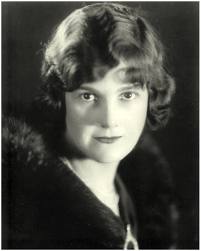
Vittima fu il trentaseienne e ricco profumiere John S. Bennett, ed esecutrice fu la di lui moglie signora Myrtle Bennett.
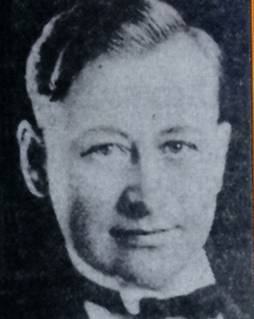
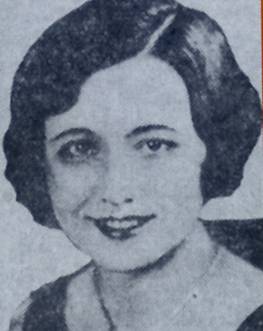
Il delitto avvenne durante una partita libera che si stava disputando con una coppia di coniugi amici della sfortunata coppia, i signori Myrna e Charles Hoffman.
Il signor Bennett che, sembra fosse decisamente più scarso della moglie nell'arte del bridge, al termine di una Manche a picche da lui perduta, fu insultato pesantemente dalla moglie. Ne seguì un aspro diverbio tra coniugi e, nonostante il prodigarsi dei signori Hofmann che cercavano in ogni modo di sedare la discussione e continuare il gioco, la lite crebbe di intensità tanto che ad un certo punto, John cominciò a scrollare pesantemente Myrtle per le spalle mentre lei continuava a canzonarlo licitando continuamente la litania "Nobody but a bum would hit a woman".
A questo punto, Myrtle dichiarò che solo un degenerato può strapazzare la propria moglie in presenza degli amici, ed il maritò lasciando il salotto dichiarò che avrebbe passato la notte in albergo per poi lasciare la città il giorno dopo.
La signora Hoffman aveva nel frattempo abbandonato la scena del diverbio ed aspettava sull'uscio di casa Bennett, suo marito che era rimasto in salotto, forse l'intento di consolare John o, forse, soltanto per congedarsi da sua moglie.
La signora Bennett si recò allora nella camera da letto della madre dove prese una rivoltella e ritornando nel salotto vide il marito, che nel frattempo aveva frettolosamente raccolto i suoi effetti personali in una borsa da viaggio e che stava scusandosi con il signor Hoffman per l'accaduto.
|
|
|
Charles Hoffman |
|
|
|
Myrna Hoffman |
|
|
|
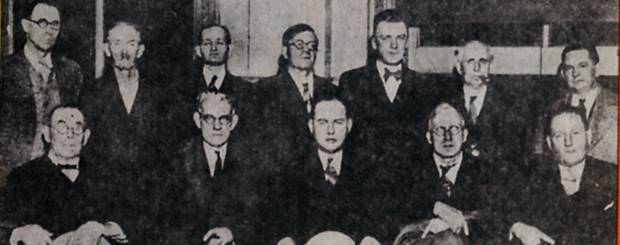
La Giuria al processo Bennet |
Non appena John Bennett vide la rivoltella nelle mani della moglie, corse a rifugiarsi nel bagno, ma Myrtle implacabile lo seguì e gli sparò due colpi che risultarono mortali.
Quando la polizia arrivò nella villa dei coniugi Bennett, trovò una moglie distrutta e sinceramente piangente le spoglie del marito.
La vicenda ebbe un tale scalpore che la famosa Manche a picche del delitto Bennett fece il giro del mondo ed è ancora oggi riportata in tute le opere enciclopediche che riguardano il Bridge.
La Manche a picche del delitto Bennett, fu commentata financo dal grande Ely Culbertson, che mise in luce gli errori di gioco, che in effetti il povero John aveva commesso al tavolo.
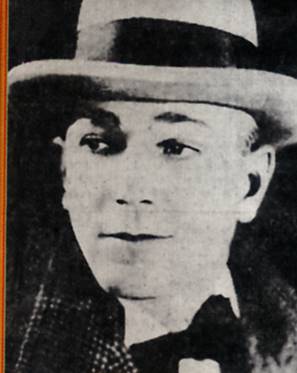
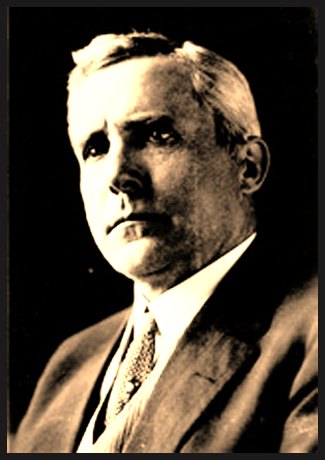
Al processo, che ebbe inizio nel febbraio del 1931, Myrtle fu difesa da un avvocato formidabile James A. Reed per tre volte senatore del Missouri che sostenne, avvalorato dai continui pianti in aula dell'imputata, che i colpi partirono accidentalmente.
Il processo si protrasse per un paio di mesi e al momento del verdetto finale la giuria rimase riunita ben 8 ore, e c'è chi dice che almeno tre ne furono spese per insegnare il gioco del Bridge ad alcuni giurati!
La conclusione della Giuria fu che si trattava di morte accidentale.
In seguito a questa discutibile sentenza, Myrtle Bennett poté addirittura incassare i 30.000$ della polizza con la quale il marito si era assicurato in caso di morte!
La signora Bennett, pur se con qualche giustificabile difficoltà a trovare dei partner disposti a fronteggiarla, continuò a giocare a Bridge fino al momento della sua morte e gestì per tutta la sua vita una catena di piccoli alberghi che le diedero il benessere economico.
Alla sua morte avvenuta nel 1992 alla veneranda età di 97 anni, il suo patrimonio valutato in un milione di dollari andò agli eredi del marito ucciso tanti anni prima, non avendone lei di diretti.
Se vuoi
prendere visione della famosa Manche a picche del delitto Bennett